Dogs can face a wide range of health challenges, some of which involve the nervous system, including the brain, spinal cord, and nerves. Understanding the distinctions between a general veterinarian and a dog neurology specialist is vital for pet owners aiming to provide the best care when neurological issues arise. Both play important roles, but their training, expertise, and treatment methods differ significantly, especially when it comes to complex neurological conditions in dogs.
What Does a Veterinarian Do?
A veterinarian is the main doctor for most pets throughout their lives. Their responsibilities include:
- Providing preventive care (vaccines, routine exams, parasite control)
- Diagnosing and treating common conditions, like ear infections, skin allergies, or digestive upset
- Performing routine surgeries such as spays, neuters, and mass removals
- Offering guidance on nutrition, behavior, and overall wellness
- Detecting early signs of illness and referring complex cases to specialists when needed
Veterinarians are comparable to a family doctor—they evaluate a wide range of health issues and provide essential care.
What Does a Neurology Specialist Do?
A neurology specialist (also called a veterinary neurologist) focuses only on conditions involving the brain, spinal cord, nerves, and muscles. Their work is much more specialized and requires advanced training:
- Advanced Education & Training: After veterinary school, neurologists complete years of internship and residency training in neurology and neurosurgery.
- Board Certification: Many obtain board certification through rigorous exams, ensuring they meet the highest standards of specialty care.
- Specialized Focus: They diagnose and treat complex neurological issues such as seizure disorders, intervertebral disc disease (IVDD), brain tumors, spinal injuries, and neuromuscular diseases.
Areas Where Neurology Specialists Differ from Veterinarians
-
-
Diagnostic Tools & Expertise
- Veterinarians may perform initial blood tests, X-rays, or physical exams.
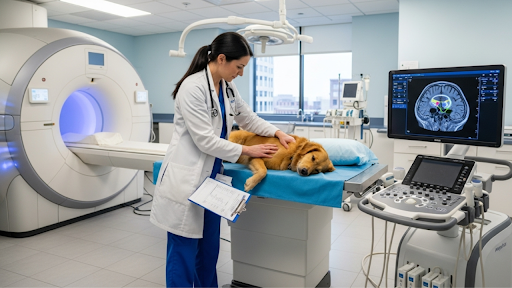
- Neurology specialists have access to advanced imaging such as MRI and CT scans and can interpret subtle neurological signs that others might miss.
-
Conditions Treated
- Veterinarians handle routine illnesses and injuries.
- Neurology specialists manage:
- Seizures and epilepsy
- Neck or back pain related to spinal disease
- Difficulty walking, stumbling, or paralysis
- Brain or spinal tumors
- Neuromuscular conditions (like myasthenia gravis or disk disease)
-
-
Treatment Options
-
-
- Veterinarians typically provide medical management (medications, pain relief, supportive care).
- Neurology specialists may perform advanced surgeries, such as:
- Spinal decompression for IVDD
- Brain surgeries for tumors
- Surgical repair of spinal fractures or malformations
-
-
Collaboration
-
- Veterinarians often remain the primary care provider, coordinating general health.
- Neurology specialists focus on complex neurological cases but send updates back to the veterinarian for ongoing care.
When Should You See A Neurology Specialist?
Not every pet needs to see a neurologist. However, your veterinarian may recommend a specialist if your pet shows signs like:
- Frequent seizures or new onset of seizure activity
- Difficulty walking, stumbling, or dragging limbs
- Neck or back pain that persists or worsens
- Sudden balance problems, head tilt, or unusual eye movements (nystagmus)
- Changes in mental status, such as confusion or unusual behavior
- Loss of vision or hearing that is not age-related
- Incontinence (loss of bladder or bowel control) is tied to neurological dysfunction
These symptoms often signal problems involving the nervous system that go beyond what general care can address. So, if your furry friend or purr baby seems in trouble, it is essential to consult a neurology specialist for dogs immediately.
Key Takeaways for Pet Owners
- Veterinarians = Generalists: They handle wellness, routine care, and common illnesses.
- Neurology Specialists = Experts in Nervous System Disorders: They diagnose and treat seizures, spinal diseases, tumors, and other complex conditions.
- Collaboration Benefits Your Dog: General veterinarians and neurologists work together to ensure both overall health and specialized treatment are addressed.
Closing Thoughts
Your primary veterinarian is often the first to identify when your dog might need specialized help. A neurology specialist is not a replacement for your vet but an additional partner in your pet’s healthcare team.
So, if your dog or any other pet shows unusual neurological signs, consulting with a specialist can make all the difference—offering advanced diagnostics, tailored treatment, and in some cases, life-saving surgery.