
Effective communication is key to delivering high-quality care in hospitals. Digital signage provides a dynamic and efficient way to improve patient communication, ensuring that vital information reaches patients, visitors, and staff instantly. However, many hospitals still rely on outdated methods like printed notices or static signs, leading to confusion and missed information. Here are some common issues:
- Patients struggling to navigate large hospital spaces
- Delayed or unclear communication of wait times or emergencies
- Information overload with traditional paper signage
Here, we will dive into how digital displays in the UK can streamline communication, improve patient satisfaction, and create a more efficient hospital environment.
1. Providing Real-Time Information
One of the primary ways digital signage improves patient communication is by delivering real-time information.
Hospitals often need to communicate urgent updates such as changes in visiting hours, emergency alerts, or wait times. Digital signage allows hospitals to broadcast these messages instantly across multiple screens, ensuring that patients and visitors receive accurate, up-to-date information at the right time.
Whether it’s a delay in a scheduled appointment or an emergency evacuation notice, digital signage ensures the message reaches everyone immediately, reducing confusion and improving the flow of information.
2. Guiding Patients with Interactive Wayfinding
Navigating a large hospital can be challenging, especially for patients who may be stressed or unwell.
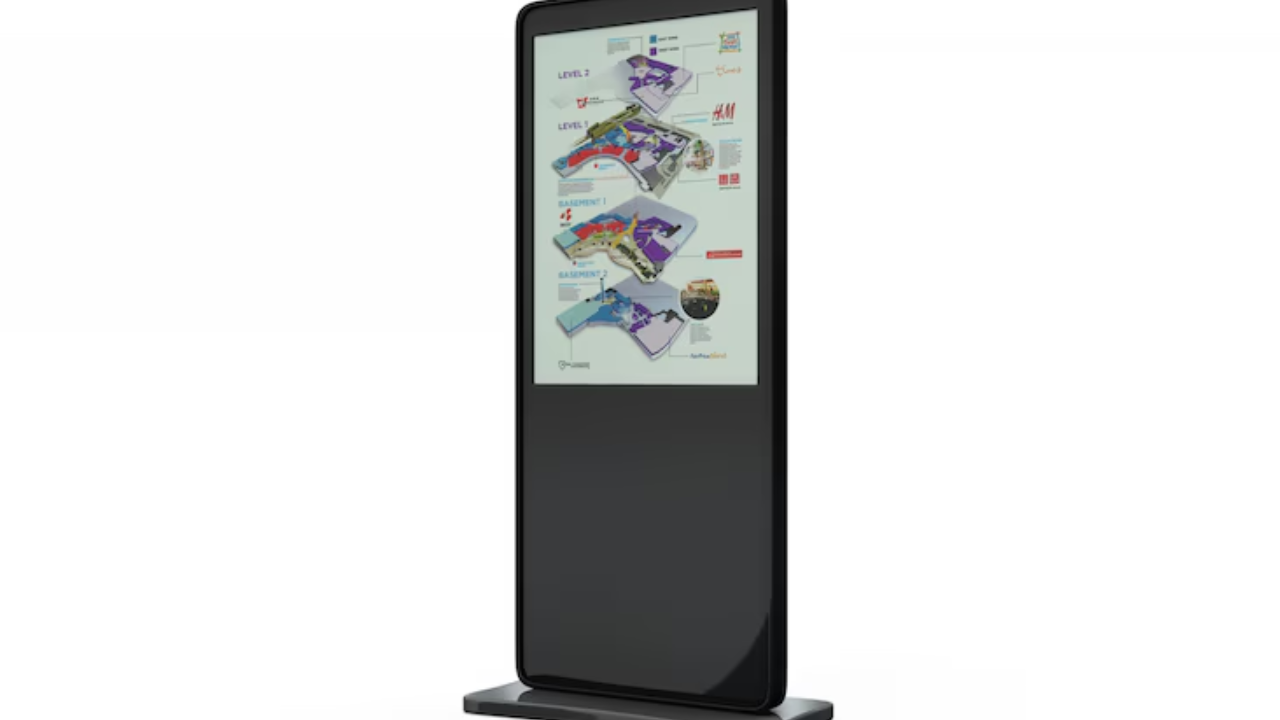
Digital signage solutions can be used to guide patients to their destinations through interactive touchscreens or wayfinding displays. By showing clear directions to departments, rooms, and services, these systems help patients feel more at ease and confident in getting to where they need to go.
For instance, a digital kiosk at the hospital entrance can direct patients to specific wards, treatment areas, or administrative departments. This eliminates confusion, saves time, and reduces the stress that comes with navigating a large healthcare facility.
3. Enhancing Patient Education
Hospitals can also use digital signage as a tool for patient education. Digital displays can showcase health tips, wellness advice, and relevant medical information tailored to the needs of the patient population.
For example, a digital screen in a waiting room might display information about hand hygiene, flu prevention, or healthy lifestyle choices. This type of educational content can encourage patients to take proactive steps in managing their health, especially when it comes to preventive care.
Digital signage helps ensure that critical health messages are communicated effectively and efficiently, in a format that patients can easily absorb while waiting.
4. Improving Communication with Staff
In addition to enhancing patient communication, digital signage can also streamline communication among hospital staff.
For example, digital screens can be used in staff rooms, break areas, and hallways to display internal announcements, shift schedules, training updates, and emergency protocols. Real-time updates on staff performance or reminders for upcoming meetings can be shown on screens placed in high-traffic areas.
This ensures that all staff members are consistently informed of important operational changes, minimizing misunderstandings and enhancing coordination across the hospital.
5. Reducing Paper Waste and Clutter
Hospitals often rely on paper signage, posters, and notices to convey messages to patients and staff.
However, these traditional methods can be cumbersome, easily outdated, and often difficult to read. By replacing paper signage with digital displays, hospitals can reduce clutter and waste, providing a more sustainable communication solution. Digital signage offers the flexibility to update content remotely, allowing hospitals to broadcast timely and accurate information with ease.
Whether it’s an updated menu in the cafeteria or a change in visiting hours, digital displays ensure that patients and visitors receive the most relevant information at all times.
6. Promoting Patient Satisfaction
Finally, digital signage can contribute to improving patient satisfaction. Waiting times, often a source of frustration for patients, can be managed more effectively with digital signage.
Displaying estimated wait times or providing real-time updates on wait lists keeps patients informed and reduces anxiety. Additionally, by offering engaging, informative, and relevant content through digital displays, hospitals can create a more comfortable and welcoming environment for patients.
Whether it’s relaxing visuals in the waiting room or motivational messages, digital signage can help improve the overall atmosphere of the hospital and make patients feel more relaxed during their visit.
7. Displaying Emergency Alerts
Digital signage systems can also be integrated with emergency alert systems, enabling hospitals to display urgent notifications across multiple screens simultaneously.
In the event of a medical emergency, system failure, or fire alarm, these digital displays can instantly communicate the necessary actions to both patients and hospital staff.
Read more: articleholics.com