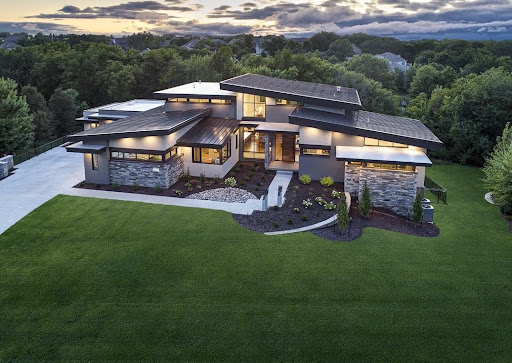

Timber frame structures have long been appreciated for their aesthetic appeal and durability. As we move into 2026, these structures continue to gain popularity for both residential and commercial applications. Timber frame structures offer a unique blend of traditional craftsmanship and modern design, making them a preferred choice for many builders and homeowners.
The Evolution of Timber Frame Structures
Over the years, timber frame construction has evolved significantly. Originally used in medieval times, these structures have transformed with modern engineering and design innovations. Today, timber frames are not only used for their structural integrity but also for their ability to create open, airy spaces that are both functional and beautiful.
In 2026, the focus is on sustainability and environmental impact. Timber, being a renewable resource, is at the forefront of eco-friendly building materials. This shift towards sustainable construction practices is driving the resurgence of timber frame structures, as they offer an environmentally conscious alternative to traditional building materials.
The Role of Timber Frame Builders
The craftsmanship of timber frame builders is crucial to the success of any project. These skilled professionals are responsible for designing and constructing frames that are both strong and aesthetically pleasing. In 2026, there is a growing demand for builders who can integrate modern technology with traditional building techniques.
Timber frame builders must be adept at using advanced tools and software to design complex structures. This includes 3D modeling and precision cutting tools, which ensure that each piece of timber fits perfectly within the frame. As more people seek custom designs, builders are challenged to create unique structures that meet specific client needs while maintaining structural integrity.
Trends in Outdoor Timber Architecture
Outdoor timber architecture is another area where timber frame structures are making a significant impact. From pergolas and gazebos to outdoor kitchens and pavilions, timber frames are being used to create stunning outdoor living spaces. These structures not only enhance the aesthetic appeal of a property but also provide functional spaces for relaxation and entertainment.
In 2026, the trend is towards creating seamless transitions between indoor and outdoor spaces. This involves using timber frames to construct large, open areas that flow naturally from the interior of a home to the exterior. The use of glass and other transparent materials alongside timber allows for unobstructed views and a greater sense of connection with nature.
Key Benefits of Timber Frame Structures
- Durability: Timber frames are known for their strength and longevity. Properly maintained, these structures can last for centuries.
- Aesthetic Appeal: The natural beauty of wood adds warmth and character to any building, making timber frames a popular choice for both traditional and contemporary designs.
- Sustainability: As a renewable resource, timber is an environmentally friendly building material. Timber frame structures are energy efficient, reducing the overall carbon footprint of a building.
- Flexibility: Timber frames can be adapted to a wide range of architectural styles and designs, offering versatility for builders and architects.
Challenges and Considerations
While timber frame structures offer numerous benefits, there are also challenges to consider. One of the main concerns is the cost. Timber, particularly high-quality, sustainably sourced wood, can be expensive. Additionally, the construction process requires skilled labor, which can add to the overall cost of a project.
Another consideration is maintenance. Timber requires regular upkeep to prevent issues such as rot and insect infestation. This includes treatments and finishes that protect the wood from weather and pests.
The Future of Timber Frame Construction
Looking ahead, the future of timber frame construction appears promising. As technology continues to advance, we can expect to see even more innovative designs and construction techniques. Builders are likely to explore new ways to integrate timber frames with other materials, such as steel and concrete, to create hybrid structures that offer the best of both worlds.
Moreover, the push towards sustainable and eco-friendly building practices will likely increase the demand for timber frame structures. As more people recognize the environmental benefits of using timber, it is anticipated that this method of construction will continue to grow in popularity.
Conclusion
Timber frame structures are set to remain a significant part of the architectural landscape in 2026 and beyond. With their blend of traditional craftsmanship and modern innovation, they offer a sustainable and aesthetically pleasing option for builders and homeowners alike. As the industry evolves, those involved in timber frame construction will need to stay informed about the latest trends and technologies to meet the growing demand for these timeless structures.