Cocktail attire occupies a specific space in formal dressing—it is more elevated than casual party wear but less structured than full evening formal. Within this range, there is significant room to express personality and style. For those seeking to make an impact at a cocktail event, understanding what defines a truly striking dress in this category is the starting point.
Defining the Cocktail Dress Category
Cocktail dresses typically fall between knee-length and mid-thigh, though the category has expanded to include midi lengths in contemporary fashion. The distinguishing factor is not strictly hemline but rather the level of dressiness: fabric quality, silhouette refinement, and finish all distinguish a true cocktail dress from an elevated casual option.
Events that call for cocktail attire include corporate parties, wedding receptions, engagement parties, gallery openings, fundraisers, and upscale birthday celebrations. The setting communicates the appropriate position within the cocktail dress spectrum—more structured and covered for corporate events, more fashion-forward for social celebrations.
What Makes a Cocktail Dress Striking
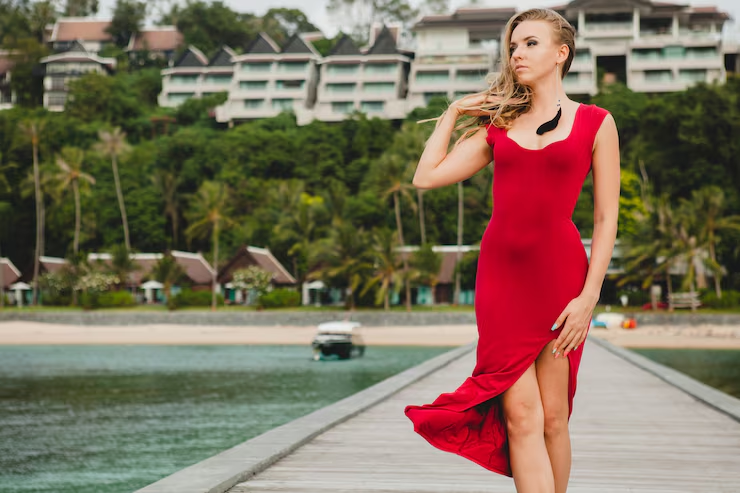
A combination of fit, cut, and fabric creates a dress that commands attention in a cocktail setting. Form-fitting silhouettes—whether bandeau-bodiced, wrap-style, or structured shift—create a polished and confident look. Cutout details, asymmetric necklines, and open-back constructions are design elements that elevate the visual interest of a cocktail gown without crossing into costume territory.
When exploring options for an upcoming event, browsing collections of sexy cocktail dresses reveals how contemporary designers are interpreting this category—balancing figure-forward design with the refinement that cocktail occasions demand.
Fabric plays a significant role in how striking a cocktail dress reads. Sequined mesh, stretch velvet, and ponte knit each create a different visual and textural effect. Matte fabrics project sophistication and restraint; embellished or lustrous fabrics turn the dress into a more prominent visual statement. The choice between the two depends on the event’s tone and the wearer’s intent.
Necklines and Their Effect
The neckline of a cocktail dress shapes the overall tone of the look more than almost any other design element. Plunging V-necklines elongate the upper body and create a bold, fashion-forward appearance. Square necklines project structure and symmetry. Sweetheart necklines combine femininity with figure-flattering lines. High necklines add sophistication and work particularly well on sleeveless or backless styles where the front reads as conservative but the back provides a dramatic reveal.
For cocktail events with a more conservative dress culture—corporate award evenings or charity galas, for example—selecting a more restrained neckline while allowing other design elements such as fabric, color, or silhouette to carry the visual interest is a reliable approach.
Color and Its Contextual Meaning
Color selection in cocktail dressing is both personal and contextual. Black remains the most versatile and reliably appropriate option across the widest range of cocktail events. Jewel tones—cobalt, emerald, fuchsia, and ruby—are ideal for evening celebrations and photograph with intensity under event lighting. Champagne and gold carry a celebratory quality suited to occasions like weddings and birthday events.
Bolder print choices, including graphic florals and abstract patterns, work well for daytime cocktail events with a creative or social atmosphere. For evening events with formal undertones, a solid color or subtle texture—a tone-on-tone brocade or an embossed velvet—tends to read more appropriately.
Styling to Complete the Look
Cocktail dresses perform best when paired with accessories that match the event’s formality without competing with the dress itself. Strappy heeled sandals or pointed-toe pumps are standard for cocktail events. A structured evening clutch in a complementary or neutral tone is practical and refined. Jewelry selection should reflect the dress’s neckline—more elaborate earrings suit simpler necklines, while heavily embellished bodices call for minimal jewelry.
Cocktail dressing, when approached with intention, allows for significant personal expression within the parameters of formal dressing. The result is a look that is memorable, appropriate, and entirely individual.
Conclusion
Cocktail occasions call for dresses that balance refinement with visual interest. Whether the setting is a formal corporate event or a celebratory social gathering, the right cocktail dress combines fit, fabric, and design detail to create a look that is confident and occasion-appropriate. Approaching the category with clarity about the event’s tone makes the selection process significantly more focused and effective.