
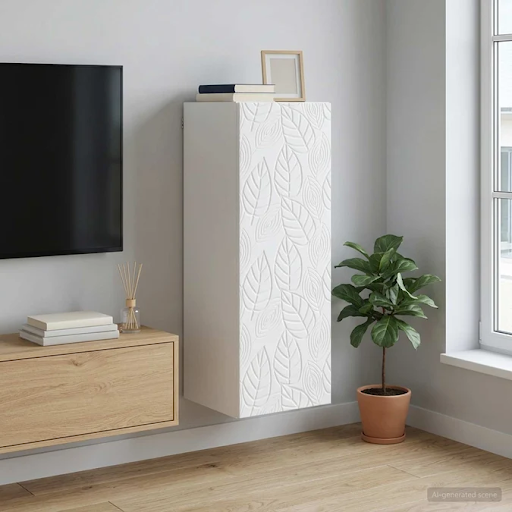
A well-planned room is not simply a collection of attractive objects. It is a space where furniture supports everyday routines, creates visual balance, and makes the home comfortable to live in. From a compact living room to an open-plan family space, every piece should serve a clear purpose without making the room feel crowded. Choosing furniture UK shoppers can explore across different styles, sizes, and finishes becomes easier when design decisions begin with the way a room is actually used.
Furniture selection also involves more than matching colours. Proportions, storage, movement, materials, and lighting all influence the final result. By understanding these elements, homeowners can create interiors that look coordinated and remain practical as their needs change.
Start With The Way You Use Each Room
Before browsing furniture collections, consider what happens in each room throughout the day. A living room might serve as a place to relax, entertain guests, watch films, and spend time with family. A dining area may double as a workspace, while a bedroom needs to accommodate rest, clothing, and personal belongings.
These activities determine which furniture deserves priority. A household that regularly hosts guests may need generous seating, whereas a smaller household might benefit from flexible pieces that can be moved when necessary.
Think about daily habits rather than designing a room around a single photograph. Furniture should make familiar activities easier, not introduce obstacles or unnecessary maintenance.
Measure The Room Before Buying
A sofa or cabinet can look perfectly proportioned in a showroom yet overwhelm a smaller room at home. Measuring the available space helps prevent this problem and makes it easier to compare suitable options.
Record the length and width of the room, ceiling height where relevant, and the dimensions of existing furniture that will remain. Also measure doorways, staircases, lifts, and narrow corridors through which larger items must pass.
Leave enough space for people to walk comfortably between furniture pieces. Doors and drawers should open without hitting nearby objects, and frequently used routes should remain clear.
A simple floor plan can help visualise different arrangements before any purchase is made. Even a rough drawing provides a clearer understanding of how furniture will fit together.
Balance Contemporary Design With Comfort
Contemporary interiors often combine clean shapes, useful storage, understated colours, and carefully selected materials. However, a room does not need to look minimal or formal to feel current. A mixture of natural wood, textured fabrics, metal accents, and soft lighting can create a space that feels modern while remaining welcoming.
The key is to establish a consistent visual direction. If the room already contains a wooden dining table or a fabric sofa, choose additional pieces that complement their tones and textures. Similar finishes can connect separate furniture items, while a contrasting colour or material can introduce interest.
Contemporary furniture works particularly well when its appearance is supported by practical design. A streamlined cabinet with generous storage, for example, can contribute to a tidy interior without sacrificing everyday convenience.
Choose Storage That Reduces Visual Clutter
Living rooms collect numerous everyday objects, including remote controls, books, charging cables, games, magazines, and decorative accessories. Without suitable storage, these items can quickly occupy tables and other surfaces.
The right storage furniture gives belongings a designated place. Sideboards can hold household essentials, shelving can display selected objects, and cabinets can conceal items that do not need to remain visible.
Consider the balance between open and closed storage before choosing a piece. Open shelves provide easy access and allow personal objects to become part of the room’s design. Doors and drawers create a more orderly appearance by keeping everyday items out of sight.
Coordinate Colours Without Matching Everything
A coordinated room does not require every piece of furniture to share the same finish. In fact, too many identical surfaces can make an interior feel flat.
Instead, begin with two or three complementary colours. Neutral shades such as cream, grey, and warm white can provide a flexible foundation, while wood finishes introduce warmth. Darker accents or muted greens and blues can add contrast without overwhelming the room. Exploring furniture UK collections with varied colours and finishes can help you find pieces that suit your preferred interior style.
Repeat selected colours across different elements to create a visual connection. A dark cabinet might complement a lamp base, picture frame, or coffee table, while oak-effect furniture could work alongside natural woven accessories.
Check Product Details Before Ordering
Online shopping makes it possible to compare furniture styles and prices from home, but careful checking remains essential. Product photographs may show decorative accessories or room settings that are not included with the item.
Review the complete product description to establish exactly what comes with the purchase. Check the dimensions, available colour options, materials, assembly instructions, and delivery estimates. For larger items, measure the route from the entrance to the intended room. A cabinet that fits against a wall may still be difficult to carry through a narrow hallway or turn on a staircase.
Finally, review the retailer’s delivery, returns, and customer support policies before completing the order. These details help you understand the process if an item arrives damaged, proves unsuitable, or requires additional assistance.
Conclusion
A comfortable home develops through a series of thoughtful decisions rather than one dramatic makeover. Measuring rooms, understanding storage requirements, coordinating finishes, and checking construction details can make each purchase more useful.
Whether you are refreshing a single corner or furnishing several rooms, the aim is to create an interior that supports your daily life without unnecessary clutter. Retailers such as Cozy Furniture offer a range of home furnishings to explore when comparing styles, storage options, and practical designs, including a media unit that complements your living room layout.
By putting function first and using appearance to strengthen the overall plan, you can create a living space that feels personal, organised, and ready for everyday living.