A person considering braces may spend hours comparing bracket designs, treatment costs, and expected results. Yet one decision can have a greater influence on the treatment experience: choosing the professional who will plan and monitor the case. For anyone exploring a self ligating braces specialist, understanding what to look for in an orthodontic professional can make the journey more informed and comfortable.
Why The Orthodontist Matters
Braces are not simply devices attached to teeth. They are part of a carefully planned process in which controlled forces gradually change tooth positions and improve the relationship between the upper and lower teeth.
A self-ligating bracket has its own mechanism for holding the archwire, but the bracket itself does not decide how treatment progresses. The orthodontist determines the treatment objectives, selects suitable wires, monitors tooth movement, and makes adjustments when required.
This makes professional assessment an important starting point. The same type of appliance may be used differently depending on the patient’s alignment, bite, dental health, and treatment goals.
Understanding Self-Ligating Systems
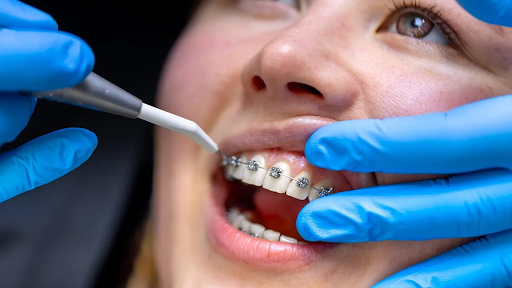
Self-ligating braces use brackets with a built-in clip or sliding door to hold the archwire. Conventional braces commonly use elastic or metal ligatures for this purpose. A self ligating braces doctor in Singapore can assess whether this bracket design is suitable for a patient’s specific orthodontic needs.
The difference changes the way the wire is secured within the bracket. It may also make certain parts of routine brace management more convenient because separate elastic ties are not required around every bracket.
However, self-ligating braces should not be viewed as a shortcut to orthodontic treatment. Teeth still need to move gradually and safely. The treatment plan remains dependent on the individual case, and regular monitoring is necessary throughout the process.
What Specialist Assessment Involves
Before recommending a brace system, an orthodontic professional needs to understand what is happening inside the patient’s mouth. Crooked teeth may be the most obvious concern, but they are not always the complete picture.
The assessment may consider crowding, spacing, overbite, underbite, crossbite, tooth inclination, jaw relationships, and the available space within the dental arches. Existing fillings, gum health, previous dental treatment, and other factors may also be relevant.
Photographs, X-rays, digital scans, or other diagnostic records can help create a more complete picture. This information allows treatment to be planned around the patient’s actual needs rather than simply around the appearance of the teeth.
Matching The Appliance To The Case
One of the most important parts of orthodontic care is deciding whether a particular appliance is appropriate. Self-ligating braces can be used in many orthodontic cases, but that does not mean they are automatically the right choice for everyone.
An experienced professional considers the type and severity of tooth movement required before selecting an appliance. The objective may involve creating space, closing gaps, correcting rotations, improving the bite, or coordinating the position of several teeth.
The bracket is therefore a tool within a larger treatment strategy. A suitable plan should explain what needs to change, how the appliance will assist with that process, and what the patient can expect during treatment.
Monitoring Movement Over Time
Teeth do not move according to a fixed timetable. Their response can differ from one person to another, which is why follow-up appointments with a self ligating braces specialist are an important part of orthodontic care.
During these visits, the orthodontist can evaluate whether tooth movement is progressing as expected. Wires may be changed, adjusted, or replaced depending on the treatment stage.
If a tooth is not responding as anticipated, the treatment approach can also be reviewed. This ongoing assessment is one reason professional supervision matters even when the braces themselves use a relatively simple mechanical design.
Hygiene With Fixed Braces
Self-ligating brackets may have fewer external components than conventional bracket systems, but they still require careful cleaning. Food particles and plaque can accumulate around brackets, wires, and the gumline.
Patients need to maintain consistent brushing and use appropriate methods for cleaning between teeth. Professional dental cleaning may also be recommended depending on individual oral health.
An orthodontist can explain practical cleaning techniques and identify areas where plaque is collecting. Maintaining oral hygiene during treatment helps protect the teeth and gums while the orthodontic work is taking place.
Comfort And Everyday Adjustments
Getting used to braces is a gradual process. After placement or adjustments, some patients may experience temporary pressure or tenderness as the teeth begin responding to the orthodontic forces.
Eating habits may also need to change. Hard or sticky foods can damage orthodontic components, while careless biting may put unnecessary pressure on brackets.
A good orthodontic consultation should include practical guidance about these everyday concerns. Knowing what is normal and what requires professional attention can make the treatment period less stressful.
Choosing A Specialist In Singapore
For someone searching for a self ligating braces doctor in Singapore, location is only one consideration. The professional’s orthodontic experience, treatment approach, communication style, and ability to explain the proposed plan are also important.
Patients can ask about the type of cases routinely treated, the expected stages of treatment, appointment frequency, and how progress will be monitored.
It is also useful to understand what happens if treatment needs to be adjusted along the way. Orthodontics is not a one-visit procedure, so having a professional who can provide consistent care throughout the treatment period matters.
Conclusion
The decision to straighten teeth often comes with a mixture of excitement and uncertainty. Patients may want to know how long treatment will take, whether braces will be uncomfortable, and whether the chosen system will suit their lifestyle.
Finding the right professional can answer many of these questions before treatment begins. A thorough assessment, clear treatment plan, regular monitoring, and practical guidance can help turn a complicated process into a series of understandable stages.
For patients considering self-ligating braces in Singapore, researching the expertise behind the treatment is therefore just as important as researching the braces themselves. A consultation with Bracesaurus can be a useful starting point for those looking to understand their orthodontic options and receive personalised guidance.