Tooth discoloration is common, but that doesn’t mean you have to accept it. Stained or yellowing teeth can affect confidence, especially in professional and social settings. The real question isn’t whether whitening works — it’s whether you’re choosing the right method. Professional teeth whitening Colorado Springs treatments offer controlled, safe, and noticeably stronger results than most over-the-counter alternatives.
Before deciding on a solution, you need to understand why teeth discolor in the first place. Whitening is not one-size-fits-all.
Causes of Tooth Discoloration
Teeth darken for different reasons. Some stains sit on the surface. Others develop inside the tooth structure. The cause determines how effective whitening will be.
Extrinsic Stains
Extrinsic stains affect the outer enamel layer. These are the most common and typically respond well to whitening treatments.
Common causes include:
- Coffee, tea, red wine, and soda
- Dark-colored sauces and foods
- Tobacco use
- Poor oral hygiene allowing plaque buildup
- Certain liquid medications such as iron supplements
These stains accumulate gradually. Professional cleanings can remove some surface buildup, but whitening treatments target deeper discoloration embedded in enamel pores.
Intrinsic Discoloration
Intrinsic stains occur within the tooth, affecting the dentin beneath the enamel. These are more complex to treat.
Contributing factors include:
- Natural aging, which darkens dentin over time
- Tooth trauma leading to internal damage
- Excessive fluoride exposure during development
- Tetracycline antibiotics taken during childhood
Intrinsic stains may require stronger whitening protocols or alternative cosmetic treatments like veneers if bleaching is insufficient.
Professional Whitening Methods
Dentist-supervised whitening stands apart from drugstore kits because it combines medical evaluation, stronger solutions, and controlled application.
In-Office Whitening Procedures
In-office whitening provides the fastest results.
Typical process:
- A comprehensive exam to confirm you’re a candidate
- Protective barriers placed over gums and soft tissue
- Application of a high-concentration whitening gel
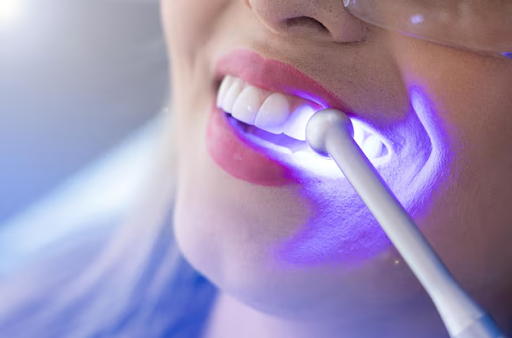
- Optional use of specialized light to accelerate activation
- Completion within a single 60–90 minute session
Results are visible immediately. Most patients see teeth lighten several shades in one visit. Because the procedure is monitored, risks such as gum irritation or uneven whitening are minimized.
This option works well for people preparing for events or those who want fast, dramatic improvement.
Custom Take-Home Whitening Systems
For those who prefer gradual whitening, custom take-home systems provide flexibility with professional oversight.
These systems include:
- Custom-fitted trays created from dental impressions
- Professional-strength whitening gel
- Clear usage instructions
- Scheduled follow-up evaluations
Custom trays ensure even gel distribution and reduce gum exposure. Results typically appear over one to two weeks, depending on concentration and wear time.
This method offers convenience while maintaining clinical safety standards.
Professional vs. Over-the-Counter Options
Over-the-counter whitening products are widely available, but they come with limitations.
Professional Advantages
Safety:
A dentist evaluates gum health, cavities, and enamel condition before treatment. Whitening over untreated decay can cause severe sensitivity.
Effectiveness:
Professional-grade gels contain higher active ingredient concentrations, producing more noticeable results in less time.
Customization:
Treatment plans can be adjusted based on stain type and sensitivity levels.
Longevity:
Professional whitening often lasts longer because of stronger formulations and better application control.
OTC Limitations
Drugstore strips and trays often use generic sizing, which can lead to uneven whitening or gel leakage onto gums. Lower-strength formulas require extended use and may deliver subtle results at best.
There’s also no evaluation of underlying dental issues. Whitening compromised teeth without supervision can worsen sensitivity or irritation.
If cost is your only decision factor, OTC products may look appealing. If results and safety matter more, professional treatment is the smarter choice.
Managing Sensitivity and Expectations
Tooth sensitivity is a common side effect of whitening. Professional supervision helps manage this by adjusting gel strength or recommending desensitizing products.
It’s also important to understand limits. Whitening works on natural tooth enamel. It does not change the color of crowns, veneers, or fillings. If you have visible restorations, you may need additional cosmetic adjustments to maintain color consistency.
Maintaining Whitening Results
Whitening is not permanent. Lifestyle choices directly affect longevity.
Daily Maintenance
- Brush twice daily with fluoride toothpaste
- Floss consistently
- Rinse after consuming staining beverages
- Avoid tobacco products
Smart Habits
- Use a straw for dark drinks when possible
- Schedule routine dental cleanings
- Consider occasional touch-up treatments
Without maintenance, stains will gradually return. Discipline preserves results.
Conclusion
Professional teeth whitening colorado springs treatments offer safe, efficient, and noticeably stronger results than over-the-counter alternatives. By working with a dental professional, you reduce risks, customize treatment to your specific needs, and achieve predictable improvements.
If you want meaningful whitening—not marginal change—professional supervision makes the difference. The right treatment plan can restore brightness, enhance confidence, and protect your oral health at the same time.